
Why Winter Can Be Tough on Your Skin (And What To Do About It)
As soon as the temperature drops, many of us begin to notice a shift in our skin quite quickly.
The glow we had over summer starts to fade. Skin starts to feel tighter after cleansing. Makeup is sitting differently even though your application method hasn’t changed. Redness becomes more noticeable and suddenly the products that worked perfectly a few months ago don’t seem to be doing the job anymore.
If this sounds familiar, you’re not alone.
Winter can be one of the most challenging seasons for the skin, but understanding what’s happening beneath the surface can help you make the right adjustments to keep your skin healthy, comfortable and glowing all season long.
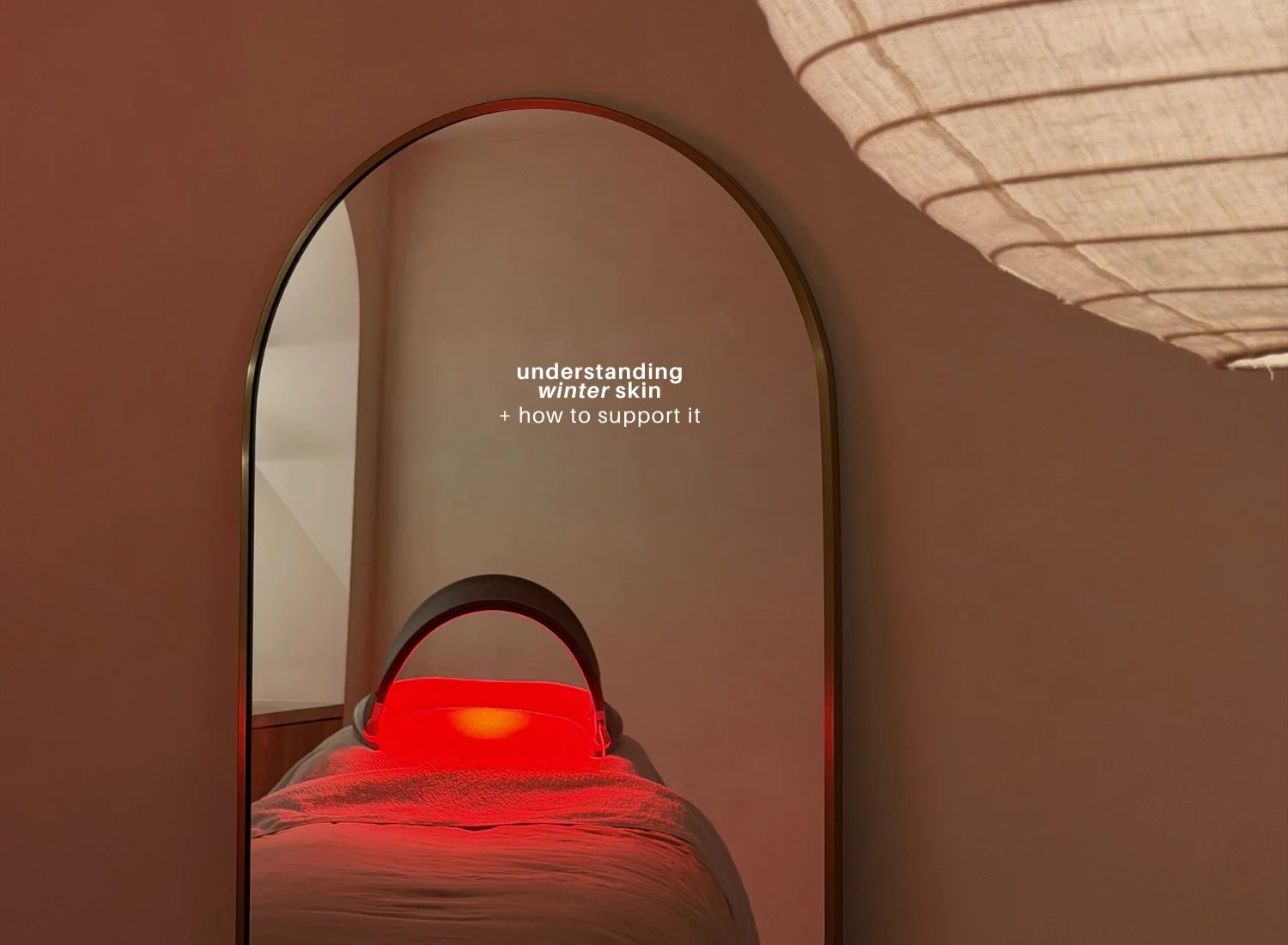
Amiri Studio’s facial room + our LED Light Therapy device.
Why Does Skin Change During Winter?
Our skin is constantly adapting to the environment around us.
During winter, several factors work against the skin at the same time:
Colder outdoor temperatures
Lower humidity levels
Wind exposure
Indoor heating
Hot showers
Seasonal stress and fatigue
Together, these can weaken the skin barrier and increase transepidermal water loss (the process of moisture escaping from the skin).
The result?
Skin often becomes:
Dry or dehydrated
More sensitive or reactive
Dull and lacking radiance
Tight or uncomfortable
Red or inflamed
More prone to irritation
For many people, winter isn't necessarily about needing more active ingredients, it's about giving the skin the support it needs to function properly.
Understanding your Skin Barrier.
If there’s one thing we talk about regularly in the treatment during winter, it’s the skin barrier.
Think of your skin barrier as your skin’s protective shield.
When it’s healthy, it helps keep moisture in and environmental stressors out. When it’s compromised, skin can become dry, sensitive and more reactive than usual.
Common signs your skin barrier may need support include:
Increased redness
Stinging when applying products
Persistent dryness
Flakiness
Tightness after cleansing
Products suddenly feeling irritating
Rather than pushing the skin harder with stronger actives, winter is often the perfect time to focus on hydration, repair and barrier support.
How to Support your Skin During Winter.
Prioritise Hydration:
Hydrated skin behaves differently. It looks healthier, feels more comfortable and functions more effectively. This doesn’t always mean using the heaviest moisturiser available. Instead, focus on ingredients that attract and retain water within the skin while supporting skin barrier function.
At Amiri, we often recommend reviewing your skincare routine seasonally to ensure it align’s with your skins changing needs.
Avoid Over-Exfoliating:
When skin starts looking dull, it can be tempting to start exfoliating more frequently. However, during winter this usually does more damage than good. Over-exfoliation can further compromise the skin barrier, leading to increased dryness, irritation and sensitivity.
A personalised approach is always best, even if you skin is already feeling stressed.
Don’t Skip SPF:
One of the biggest skincare myths is that sunscreen isn’t necessary during winter. UV exposure occurs year-round and remains one of the leading causes of premature skin ageing. Daily SPF is still essential, even on cloudy days.
Why We Love LED Light Therapy During Winter in Particular.
If we had to choose one treatment that suits almost every skin type during winter, LED Light Therapy would be high on the list.
Unlike treatments that challenge the skin, LED works with the skin's natural processes to support recovery, repair and overall skin health.
Using clinically proven wavelengths of light, LED can help:
Support skin barrier function
Calm redness and inflammation
Encourage skin recovery
Improve overall skin radiance
Support healthy ageing
Maintain skin health throughout seasonal changes
One of the reasons we love LED during winter is that it's gentle, non-invasive and suitable for even sensitive or reactive skin.
It's the perfect treatment when your skin needs support rather than correction.
Why Consistency Matters.
While many clients notice an immediate glow after a single LED session, the most significant benefits come with consistency.
Think of LED like exercise.
One session feels good.
A regular routine creates long-term results.
For general skin maintenance, LED can be incorporated every 2–4 weeks. For concerns such as inflammation, sensitivity or skin recovery, more regular sessions may be recommended initially before moving into a maintenance schedule.
Winter Treatments We Recommend.
At Amiri, our favourite winter treatments focus on strengthening, supporting and restoring the skin.
Pro Calm
Ideal for sensitive, reactive or compromised skin.
Pro Skin
A fully customised facial tailored to your skin’s individual needs, whether that’s hydration, nourishment, brightening or barrier support.
Led Light Therapy
The perfect winter skin companion, helping to support recovery, strengthen the skin and maintain a healthy glow.
Winter isn’t the season to push your skin harder, it’s the season to support it. Your skin may just be asking for a little extra care right now. The right skincare, consistent treatments and professional guidance can make a significant difference in how your skin looks and feels throughout the colder months.
If you're unsure where to start, our team can help assess your skin and create a personalised plan tailored to your concerns and goals.
Book a skin consultation and let us help your sin thrive.
